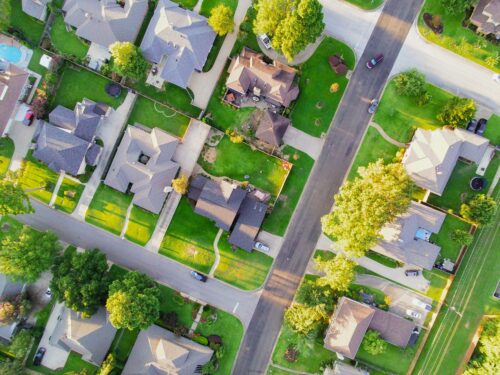
 Imagine if the heat leaving one building could warm another. That’s exactly what thermal energy networks (TENS) are designed to do.
Instead of every building generating its own heating and cooling independently, thermal energy networks connect multiple buildings through underground pipes that move water or other fluids carrying heat, changing the way communities share energy.
Heat that’s normally wasted can be captured and reused elsewhere.
For example:
These systems dramatically improve efficiency because they recycle thermal energy that would otherwise be released into the atmosphere.
Combined with electric heat pumps, thermal networks reduce emissions while lowering operating costs over time.
Several states and utilities are already exploring neighborhood-scale thermal energy networks as part of the clean energy transition.
Instead of thinking about buildings individually, thermal networks treat entire communities as connected energy systems.
It’s a smarter way to heat—and cool—the places where we live and work.