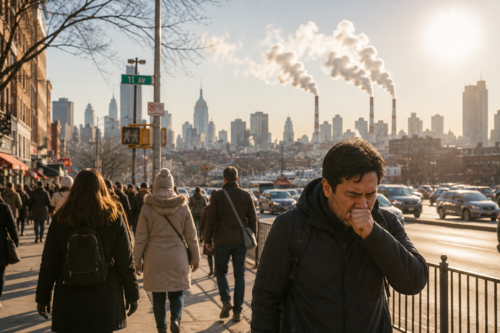
 When New Jersey’s energy future is discussed, the conversation usually centers on affordability, reliability and climate change. Those are all important priorities—but they overlook another issue that affects every resident: public health.
The electricity we generate, the fuels we burn and the buildings we live in all influence the air we breathe. As research continues to pile on evidence linking fossil fuel pollution to respiratory disease, heart disease and other chronic health conditions, it’s becoming increasingly clear that clean energy isn’t just an environmental issue. It’s a health issue.
The Air Around Us Matters
Every time fossil fuels are burned, they release pollutants like fine particulate matter, nitrogen oxides and contribute to ground-level ozone. These pollutants contribute to smog and poor air quality, and decades of research have linked long-term exposure to higher rates of asthma, heart disease, stroke and lung disease.
Children, older adults and people with existing health conditions are especially vulnerable, but poor air quality affects everyone. Even short-term exposure to elevated pollution levels can trigger asthma attacks or make it harder for people with respiratory conditions to breathe.
Unfortunately, New Jersey continues to face air quality challenges. The American Lung Association consistently gives much of the state failing marks for ozone pollution, reminding us that cleaner air remains a work in progress.
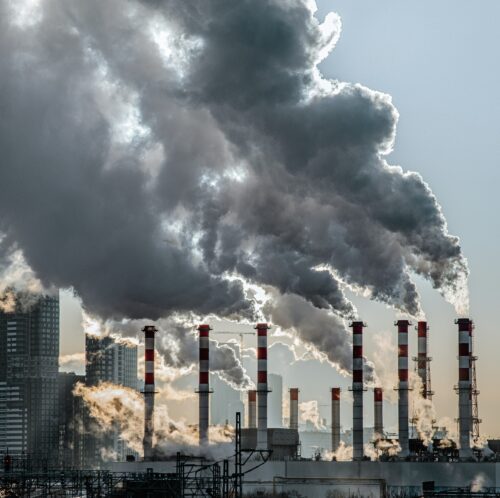
Clean Energy Offers Immediate Health Benefits
One of the biggest misconceptions about clean energy is that its benefits are decades away. In reality, many of the health benefits begin as soon as pollution is reduced.
As more electricity comes from renewable sources like solar and wind, fewer harmful pollutants are released into the atmosphere. Improving energy efficiency means less electricity needs to be generated in the first place, while expanding electric vehicles and cleaner buildings reduces emissions from transportation and heating.
Cleaner air can mean fewer asthma attacks, fewer hospital visits and healthier communities overall. These are benefits families can experience long before broader climate goals are achieved.
Climate Change Is Also a Health Challenge – Connecting the dots
The connection between energy and health doesn’t stop with air pollution.
The same fossil fuels that contribute to unhealthy air also drive climate change, which brings its own public health risks. More frequent extreme heat, worsening floods, longer allergy seasons and increased exposure to wildfire smoke all have real consequences for people’s health and safety.
In New Jersey, these impacts are becoming harder to ignore. Extreme weather places additional strain on communities, infrastructure and healthcare systems, making resilience an increasingly important part of the state’s energy future.
Healthy Communities Start with Smart Energy Choices
Clean energy is about much more than replacing one power source with another. It’s about creating healthier places to live.
Modernizing the electric grid, improving energy efficiency, expanding clean transportation and reducing pollution all contribute to communities where people can breathe cleaner air and enjoy a higher quality of life. These investments also help reduce healthcare costs, improve resilience and support a stronger economy.
Rather than viewing clean energy solely through the lens of climate policy, it’s worth recognizing its immediate impact on our everyday lives.
Looking Ahead
Every decision about New Jersey’s energy future is also a decision about public health.
Cleaner energy means cleaner air. Cleaner air means healthier families. And healthier communities are the foundation of a stronger, more resilient New Jersey.
As the state continues to invest in modern energy solutions, the opportunity extends far beyond reducing emissions. It’s about protecting the health and well-being of current and future generations—one of the most important returns any energy investment can deliver.