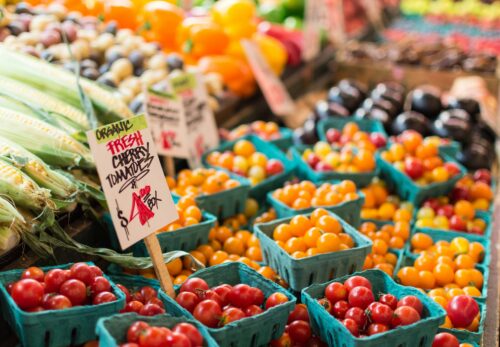
Photo by Anne Preble on Unsplash
Building healthier communities isn’t just about hospitals or healthcare—it’s also about the places where we live, work and gather. From the food we eat to the energy that powers our homes, many of the choices that support public health begin at the local level.
Community gardens, farmers markets and urban agriculture projects are often viewed as neighborhood amenities, but they also play an important role in creating more sustainable, resilient communities. When paired with investments in clean energy, green spaces and walkable neighborhoods, these local initiatives can improve both environmental and public health outcomes.
Strong Communities Grow from Local Roots
Across New Jersey, organizations are working to make fresh, locally grown food more accessible while creating opportunities for residents to connect with one another. Community gardens and local farms provide more than fruits and vegetables—they strengthen neighborhoods, support local economies and help people better understand where their food comes from.
Access to fresh, nutritious food has long been linked to improved health outcomes, particularly in communities where healthy food options have historically been limited. Local agriculture can also reduce the distance food travels, helping lower transportation-related emissions while supporting New Jersey farmers.
These projects remind us that sustainability isn’t only about large-scale infrastructure. It also happens one neighborhood at a time.
Sustainability Is About More Than Energy
Clean energy is a critical part of building healthier communities, but it’s only one piece of the puzzle.
Communities that invest in sustainability often see benefits that extend well beyond reducing emissions. More trees and green spaces can improve air quality and reduce urban heat. Walkable neighborhoods encourage physical activity while reducing vehicle traffic and the pollution it emits. Energy-efficient buildings lower utility costs and improve comfort. Together, these investments create places that are healthier, more resilient and better prepared for the future.
Rather than viewing food systems, transportation, energy and public health as separate issues, they’re best understood as interconnected parts of a stronger community.
Local Action Creates Lasting Change
Many of the most meaningful sustainability efforts begin with local leadership and community involvement.
Whether it’s volunteering in a community garden, supporting a local farmers market, planting trees or advocating for cleaner energy solutions, small actions can add up to significant benefits over time. These initiatives not only improve neighborhoods today but also help create healthier environments for future generations.
Building resilient communities doesn’t always require sweeping changes. Often, it starts with neighbors working together to improve the places they call home.
A Healthier Future Starts in Our Communities
Creating a healthier New Jersey means looking beyond any single solution.
Clean energy, local food systems, green spaces and community engagement all contribute to healthier people and stronger neighborhoods. When these efforts work together, they improve quality of life, strengthen local economies and help communities become more resilient to future challenges.
The path to a healthier future isn’t built by one policy or one project alone. It’s built through local investments that make our communities cleaner, healthier and more connected—one neighborhood at a time.