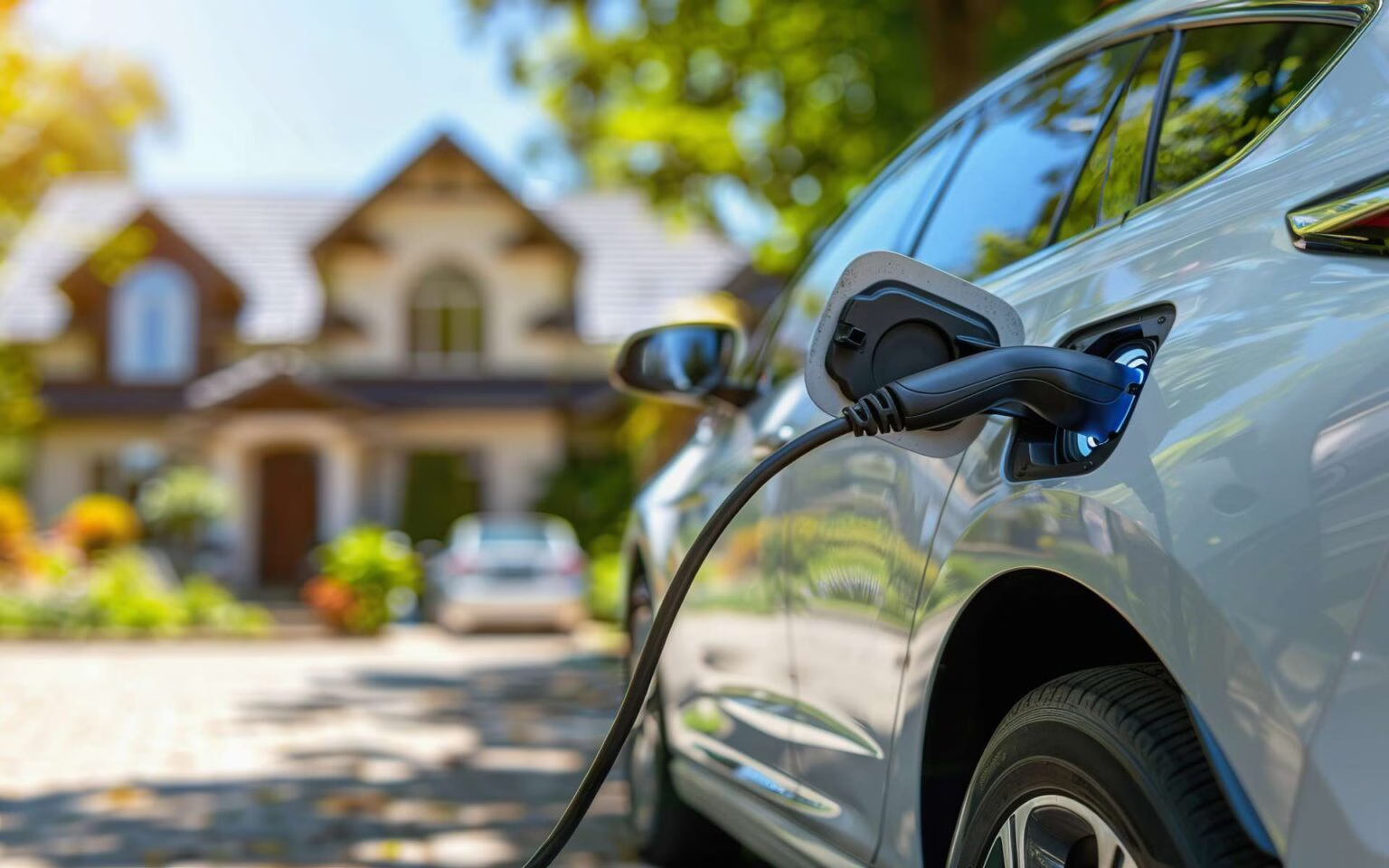
 Most people think of electric vehicles (EVs) as a way to get from one place to another. Increasingly, however, energy experts are viewing EVs as something much more valuable: mobile energy storage systems that can help strengthen the electric grid, lower costs, and reduce reliance on fossil fuels.
Every EV contains a large battery capable of storing significant amounts of electricity. Most of the time, those vehicles sit parked in driveways, garages, parking lots, or workplaces. Vehicle-to-grid technology seeks to take advantage of that unused capacity by allowing EVs to send electricity back to homes or the power grid when needed.
This concept could transform how utilities manage electricity demand.
Electricity use fluctuates throughout the day. Demand often spikes during extremely hot summer afternoons or cold winter evenings when households and businesses use more energy. To meet these peaks, utilities frequently rely on expensive and highly polluting power plants that operate only during periods of elevated demand.
Vehicle-to-grid systems offer an alternative. Instead of firing up additional fossil fuel generation, utilities could draw on stored energy from thousands of connected EVs. During peak demand hours—typically between 4 p.m. and 7 p.m.—many vehicles are parked at home after the workday. Rather than drawing electricity from the grid during those critical hours, homes could be powered in part by the EV sitting in the driveway.
When multiplied across thousands or even millions of vehicles, the impact could be substantial. Homes powered by their own EV batteries would effectively disappear from the demand side of the grid during peak periods. In essence, those homes become “invisible” to the grid at the times when electricity demand is highest. That reduction in demand would ease strain on the system, lower wholesale electricity prices, and reduce the need to operate costly and polluting gas peaker plants. The result could be lower utility bills for consumers and lower emissions across the energy system.
The potential benefits extend beyond grid management. By smoothing demand spikes, EVs could help create a more efficient and cost-effective energy system while supporting the integration of renewable energy sources such as wind and solar.
EVs can also improve resilience during emergencies. Some models already allow owners to use vehicle batteries to power homes during outages. In situations involving severe weather or grid disruptions, EVs can function similarly to backup generators while producing no direct emissions.
When combined with rooftop solar panels and stationary battery systems, EVs become part of an even larger opportunity known as virtual power plants, connecting distributed energy resources—including solar installations, batteries, smart appliances, and EVs—into a coordinated network that can support grid operations. Rather than relying exclusively on large centralized power plants, utilities can tap into a network of smaller energy resources distributed throughout communities. This approach improves flexibility, enhances reliability, and can reduce the need for costly infrastructure investments.
Virtual power plants are already being deployed in various regions, demonstrating that the technology is not a distant concept. As EV adoption grows, the amount of available battery storage connected to the grid will continue to increase. In turn, EVs could help reduce dependence on fossil fuel peaker plants, improve grid reliability, support renewable energy integration, and lower costs for consumers. They can also help communities become more resilient in the face of increasingly severe weather events.
The future of EVs is not just about transportation. It’s about energy. As vehicle-to-grid technology and virtual power plants continue to develop, the cars parked in driveways today can become essential tools for building a cleaner, more reliable, and more affordable energy system tomorrow.