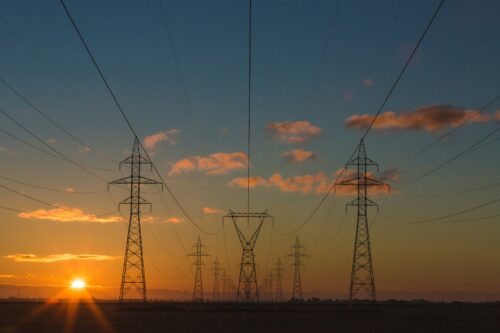
Photo by Matthew Henry on Unsplash
The rapid growth of artificial intelligence is creating an enormous new appetite for electricity. Whether the benefits of that growth ultimately justify its costs remains to be seen. But how we choose to power it could shape America’s air, water, energy bills and climate for decades.
The warning signs are already here.
A July 2026 Environmental Integrity Project analysis identified at least 74 proposed natural gas-fired power plants dedicated to powering data centers across the United States.
If all of those projects are built and operate at their estimated potential, the analysis found they could produce up to 662 million tons of greenhouse gas pollution every year—roughly equivalent to the annual emissions of more than 140 million cars and trucks.
That’s an extraordinary amount of potential pollution to lock in largely to meet the demands of one rapidly expanding industry.
The Risks Go Beyond Climate Change
Natural gas is sometimes presented as a cleaner alternative to other fossil fuels. But burning it still produces greenhouse gases and air pollutants that can harm human health.
The same Environmental Integrity Project analysis estimates the proposed plants could collectively emit more than 159,000 tons of health-damaging air pollutants annually, including approximately 44,000 tons of nitrogen oxides and nearly 33,000 tons of fine particulate matter.
These aren’t abstract consequences. Nitrogen oxides contribute to smog and lung damage, while fine particulate pollution is associated with asthma and heart attacks.
The prospect of building dozens of new fossil fuel plants to power AI should therefore force a much broader conversation about whether the benefits being promised by the industry justify the public health and environmental risks communities could be asked to bear.
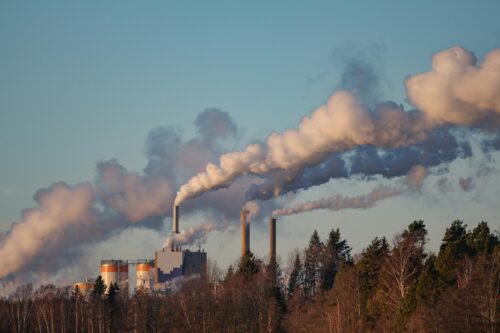
Photo by Daniel Moqvist on Unsplash
Then There’s Water
The environmental footprint doesn’t stop at the power plant. Data centers require cooling, and depending on their design and location, that can create significant demand for water. They also have an indirect water footprint through the electricity generation required to power them.
That makes transparency essential. Before a project is approved, communities should know how much water a facility expects to consume, where that water will come from and how the project could affect local supplies.
New Jersey should not assume that adequate protections will materialize after facilities are built. Those questions need answers first.
New Jersey Still Has a Choice
New Jersey doesn’t have to follow a path in which growing AI demand automatically leads to more fossil fuel infrastructure.
But avoiding that outcome requires stronger rules.
New Jersey’s proposed S680/A1170 would require proposed AI data centers to submit an energy usage plan to the Board of Public Utilities and require their electricity to come from new clean energy sources.
Those are exactly the kinds of protections that become more urgent as technology companies demand increasingly large quantities of electricity.
And New Jersey can’t solve the problem alone. PJM operates a regional grid stretching across multiple states, meaning electricity demand and generation decisions made elsewhere can affect New Jersey customers.
In August 2026, PJM proposed a new framework to address growing pressure from data centers and other large electricity users. PJM said it would need cooperation from individual state governments to implement key aspects of the proposal. Reuters reported on the proposal here.
New Jersey should work with other states across PJM to establish stronger clean energy requirements and push PJM to bring more clean, affordable electricity onto the regional grid.
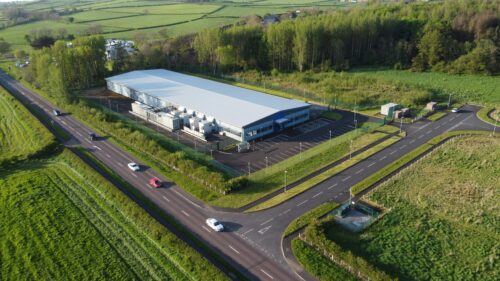
Photo by Geoffrey Moffett on Unsplash
We Need to Get This Right Before We Build It
Energy infrastructure lasts for decades. Once billions of dollars have been invested in new gas plants, pipelines, transmission and other infrastructure designed around enormous data center loads, reversing course becomes much harder.
That’s why skepticism isn’t anti-technology. It’s responsible policymaking. Before New Jersey embraces widespread data center development, residents deserve answers: Where will the electricity come from? How much water will facilities consume? Who will pay for new infrastructure? What pollution will be created? How many permanent jobs will actually result? And are those benefits substantial enough to justify the costs?
AI and data center companies are asking communities to provide enormous amounts of electricity, water, land and infrastructure to support their growth. New Jersey should not simply assume that accommodating that growth is in the public interest.
Companies should have to demonstrate it. And if a project moves forward, New Jersey should demand that it does so without sacrificing clean air, clean water, affordable electricity or our climate.
If we don’t establish those protections before the infrastructure is built, we may spend decades living with the consequences.