 Opposing new fossil fuel infrastructure raises an obvious question: What do we use instead?
There’s no single solution. Building a cleaner, more reliable energy system requires using multiple tools together.
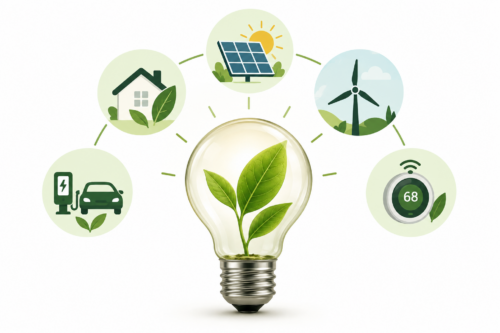
Energy efficiency is one of the simplest places to start. Better insulation, efficient appliances and smarter energy management can reduce the amount of energy homes and businesses need in the first place.
Building electrification can reduce reliance on fossil fuels. Modern heat pumps, for example, can provide both heating and cooling while using electricity far more efficiently than traditional combustion-based heating systems. NJDEP notes that air-source heat pumps can reach efficiencies of 300% or higher.
Renewable energy such as solar can generate electricity without burning fossil fuels, while battery storage can save electricity for when it’s needed most.
And grid modernization can help all of these resources work together. A smarter, more flexible grid can better manage demand, integrate distributed resources and give consumers more control over when and how they use energy. New Jersey is already moving toward utility efficiency programs that place greater emphasis on smart, connected technologies and a more modern grid.
The transition won’t happen overnight. But every major infrastructure decision gives us a choice about where we invest.
Instead of locking ourselves into decades of additional fossil fuel dependence, we can invest in solutions that make our homes more efficient, our grid more resilient and our energy system cleaner and more affordable over the long term.