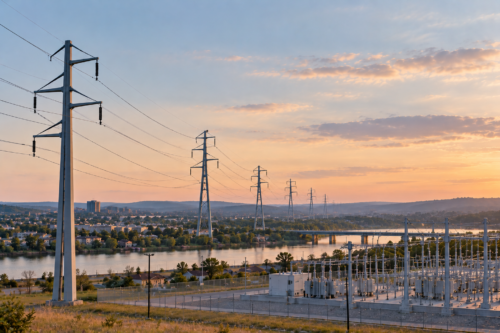
 Much of America’s electric grid was built decades ago to deliver electricity in one direction—from large power plants to homes and businesses. It was designed for a time when electricity demand was more predictable and consumers played a passive role in how energy was generated and used.
Today’s energy system looks very different.
Homes and businesses are increasingly installing rooftop solar panels, battery storage systems and electric vehicle chargers. Smart thermostats and connected appliances allow people to shift their energy use throughout the day, while utilities can better monitor and manage the grid using advanced digital technologies. Instead of electricity flowing in just one direction, energy now moves back and forth across a more dynamic, interconnected system.
Grid modernization means upgrading the infrastructure that makes all of this possible. That includes replacing aging transmission and distribution equipment, deploying smart sensors and automated controls, strengthening cybersecurity, expanding transmission capacity and improving communication between utilities and energy resources across the grid.
These investments do more than prepare the grid for clean energy. They also improve everyday reliability. A modern electric grid can identify outages more quickly, restore power faster after severe weather and better withstand growing threats from extreme heat, stronger storms and rising electricity demand.
Modernization also gives consumers more flexibility. As more households adopt electric vehicles, rooftop solar or battery storage, a smarter grid can help integrate these technologies while allowing customers to play a more active role in managing their energy use and lowering costs.
As New Jersey’s energy needs continue to evolve, grid modernization will be essential to maintaining reliable, affordable electricity while supporting continued economic growth. It’s not simply about replacing aging infrastructure—it’s about building an energy system that’s prepared for the future.