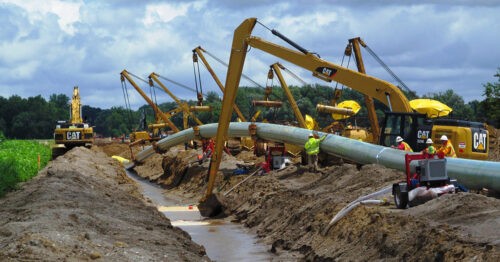
 Natural gas pipelines are part of a vast network that transports gas from where it is produced to communities, power plants and businesses where it is ultimately used.
Some pipelines operate within a single state, while interstate pipelines cross state boundaries and fall under federal oversight. And they aren’t always just pipes buried underground. Pipeline projects can include compressor stations, which help move gas through the system, as well as new connections and expansions of existing infrastructure.
That brings environmental considerations at every stage.
Building pipelines can require clearing land and vegetation, crossing wetlands and waterways, disturbing wildlife habitat and, in some cases, construction beneath bodies of water. Once operating, natural gas infrastructure also contributes to greenhouse gas emissions, including through methane leaks along the gas supply chain.
These projects are also built to operate for decades — which means decisions about new pipelines today can shape our energy system well into the future.
That’s why communities should have a meaningful voice in determining whether new fossil fuel infrastructure is necessary, what its environmental consequences could be and whether cleaner alternatives can meet the same energy needs.
The choices we make about energy infrastructure today will help determine the kind of energy system we have tomorrow.