 When we talk about New Jersey’s energy future, the conversation often focuses on what happens within our state: how much we pay for electricity, where our power comes from and how we can build a cleaner, more reliable grid.
But many of the decisions affecting New Jersey’s electricity supply—and ultimately our energy bills and our health—extend beyond state lines.
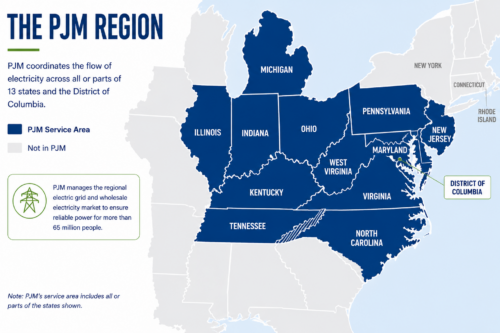
That’s because New Jersey is part of PJM Interconnection, a regional transmission organization that coordinates the flow of electricity across all or parts of 13 states and the District of Columbia. PJM manages the regional electric grid, oversees wholesale electricity markets and works to ensure there is enough power available to meet demand.
As electricity demand grows from data centers, transportation, manufacturing and the increasing electrification of homes and businesses, the PJM region will need more sources of power and the infrastructure to deliver that electricity where and when it is needed.
The challenges are regional—and so are the consequences. Pollution from fossil fuel power plants can travel across state lines and contribute to unhealthy air far from where it is generated. At the same time, constraints on electricity supply and the regional grid can contribute to higher costs for consumers.
New Jersey’s leaders should work with governors and policymakers across the PJM region to push for reforms that bring new, affordable sources of electricity online faster, modernize the grid and prepare the system for growing demand.
Investing in clean energy and a stronger grid now can help avoid greater costs down the road. Expanding electricity supply can help address rising prices, while transitioning away from dirtier sources of generation can reduce pollution that contributes to respiratory and cardiovascular disease and other health impacts.
Protecting public health and strengthening our energy system are not competing priorities. A cleaner, more affordable and reliable regional grid can mean more than lower utility bills—it can mean cleaner air, healthier communities and lower healthcare costs.
By working with other states to push for progress at PJM, New Jersey can help build an energy system that better serves families today and protects our health and economic well-being for generations to come.