You may have seen NESE in the news recently. But what exactly is it?
NESE stands for the Northeast Supply Enhancement Project, a proposed expansion of the existing Transco natural gas pipeline system running through Pennsylvania, New Jersey and New York.
The project was designed to transport up to 400 million cubic feet of natural gas per day — enough gas, if transported at that rate year-round, to equal roughly 146 billion cubic feet annually. That’s more than one-third of the natural gas consumed by all of New York’s residential customers in 2024.
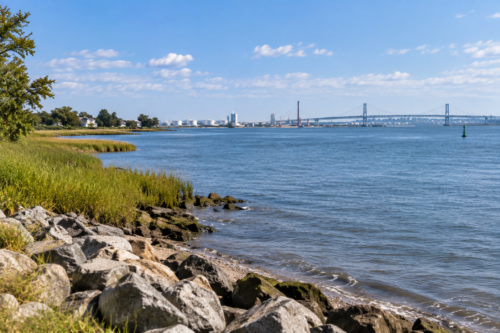
In New Jersey, the project includes a new gas-fired compressor station in Franklin Township, approximately 3.4 miles of new pipeline in Old Bridge and Sayreville, and roughly six miles of pipeline through New Jersey waters in Raritan Bay.
That last component has been at the center of significant environmental concern.
Installing a pipeline beneath Raritan Bay requires disturbing the bay floor, raising questions about water quality, contaminated sediment and impacts on marine ecosystems. Those concerns have helped fuel years of opposition from environmental organizations and communities across the region.
On Sept. 8, 2026, the U.S. Court of Appeals for the Third Circuit vacated a key New Jersey water approval for the project and sent the matter back to the New Jersey Department of Environmental Protection for reconsideration.
For ReThink Energy NJ, the debate over NESE raises a bigger question: As our region plans for its future energy needs, should we continue investing in long-lived fossil fuel infrastructure — or accelerate cleaner alternatives?