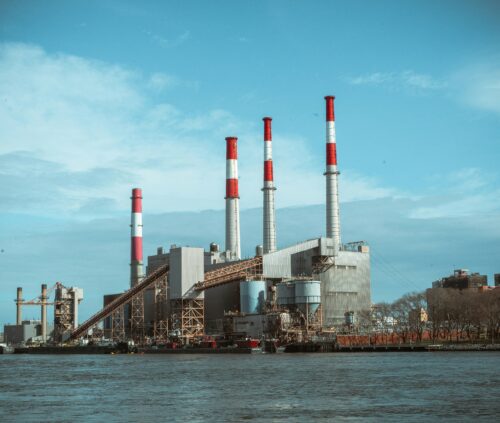
 Most people rarely think about where their electricity comes from. They flip a switch, charge a phone, or turn on an air conditioner and expect power to be available instantly. Behind the scenes, however, utilities must constantly balance electricity supply and demand. One of the tools they have traditionally used to meet periods of high demand is a type of power plant known as a gas peaker plant.
A peaker plant is a power plant that operates primarily during periods of exceptionally high electricity demand. Unlike power plants that run continuously throughout the year, peaker plants may operate only a few hours or days annually during extreme weather conditions, such as heat waves or cold snaps, when electricity use surges beyond normal levels. As energy systems evolve, these facilities have become the subject of growing debate.
Most peaker plants in the United States are fueled by natural gas. Utilities value these facilities because they can ramp up production relatively quickly when needed. During a hot summer afternoon, for example, air conditioners running across an entire region can create sudden spikes in electricity demand. Peaker plants provide additional power to help prevent shortages and maintain grid reliability. However, because they run infrequently, peaker plants often generate electricity at a much higher cost than power plants that operate more consistently, and those costs are ultimately passed on to consumers through electricity rates. And, while natural gas burns more cleanly than coal, peaker plants still produce high greenhouse gas emissions that contribute to climate change and contribute toxic air pollutants that affect local air quality and our health.
Advancements in energy technology are creating new alternatives that could reduce the need for these facilities. Battery storage systems, for example, can store electricity when demand is low and discharge it when demand rises. Renewable energy resources paired with storage can provide additional flexibility for grid operators. Smart energy management systems can help shift electricity consumption away from peak periods.
Electric vehicles (EVs) can also play an important role. As policy catches up with technology, EV batteries could provide stored energy during periods of high demand. Since most vehicles remain parked for much of the day, they represent a potentially vast network of distributed energy resources. Rather than relying exclusively on fossil fuel plants, utilities could draw on energy stored in thousands of connected vehicles.
This concept forms part of a broader strategy known as virtual power plants, which coordinate batteries, solar panels, smart devices, and EVs to support the grid. Reducing reliance on peaker plants could deliver multiple benefits. Lower peak demand can reduce electricity costs, decrease emissions, improve local air quality, and lessen the need for new fossil fuel infrastructure. It can also make the grid more resilient by diversifying energy resources across communities rather than concentrating them in a handful of large facilities.
As battery storage, renewable energy, and EV adoption continue to expand, many energy experts know the future grid will rely less on fossil fuel peaker plants and more on cleaner, distributed sources of energy. That could help lower costs, improve public health, and accelerate progress toward long-term clean energy goals.