For years, fossil fuel industry leaders have promoted an “all-of-the-above” energy strategy as a practical approach to meeting America’s energy needs. The phrase sounds appealing on its surface. Why not use every available energy source—fossil fuels, nuclear power, wind, solar, hydroelectric power, and battery storage—to ensure reliable and affordable electricity?
Because this strategy often serves a different purpose: preserving the profits of fossil fuels long after cleaner alternatives have become viable.
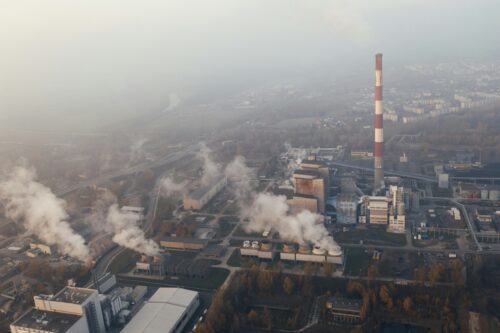 The challenge lies in how the phrase is frequently applied in practice. When policymakers promote an all-of-the-above approach, renewable energy projects often move forward alongside continued investments in natural gas infrastructure. While limited investment in improving the efficiency and lowering the emissions of existing gas powered plants may make sense for the near term, bulding new gas-fired power plants, pipelines, and related facilities can require decades of operation to recover their costs. Once these projects are built, utilities and investors have strong financial incentives to keep them running for many years.
As a result, infrastructure intended to be temporary can become a long-term obstacle to reducing greenhouse gas emissions. This dynamic creates a contradiction. On one hand, governments encourage investments in renewable energy, battery storage, EVs, and energy efficiency. On the other hand, they continue approving fossil fuel projects that lock in future emissions and energy costs.
The rapid advancement of clean energy technologies has intensified this debate. Over the past decade, the cost of solar power, wind energy, and battery storage has fallen dramatically. EVs are becoming more affordable and practical. Grid-scale batteries are helping utilities store renewable energy for use when demand rises. Emerging technologies such as virtual power plants could allow distributed energy resources to work together in ways that were not possible just a few years ago.
These innovations challenge the assumption that fossil fuels must remain a permanent fixture of the energy system, when in reality every dollar spent on new fossil fuel infrastructure is a dollar that could be invested in technologies designed to reduce pollution and improve long-term affordability.
This does not mean the transition to a cleaner energy system will happen overnight. Renewable energy generation, battery storage, transmission upgrades, and electrification efforts all require significant planning and investment.
The debate is ultimately about direction. Should energy policy focus on extending our investment in fossil fuel infrastructure, or should it prioritize technologies designed to replace it? Today’s investments will shape the energy system for decades to come. Decisions made now about power plants, transmission lines, charging infrastructure, and energy storage will determine whether future generations inherit a cleaner, more resilient, affordable energy system or remain tied to the economic and environmental costs of fossil fuels.
As clean energy technologies continue to mature, the question is no longer whether alternatives exist. The question is whether policymakers will fully embrace them or continue pursuing a strategy that keeps fossil fuels embedded in the energy mix long into the future.