 By Andrew Zwicker and Patty Cronheim
Published by NJ.com | Oct. 11, 2026
Smartphones have become an indispensable part of our daily lives, and we don’t think twice about them. But what about a smart home?
For generations, our energy system has worked in one direction: Electricity is generated at a power plant, delivered across power lines and consumed in our homes.
In the smart home of the future, energy will move both ways, giving residents greater control over how they generate, store and use energy — and opportunities to be compensated for putting excess energy back onto the electrical grid.
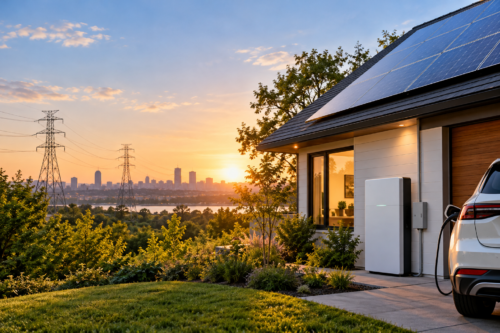
Imagine a New Jersey home where rooftop solar panels generate electricity and a battery stores excess power. An electric vehicle charges in the driveway, but it can also power your home or send electricity back to the grid when demand is high. An electric heat pump heats and cools your home, and your kitchen is full of electric appliances.
View this post on Instagram
This is the wave of the future: a flexible energy system in which residents become active participants in the grid. But to get there, we need a modern electrical grid that can carry more power, improve reliability and respond to periods of high demand.
One way to get there is through virtual power plants, or VPPs. Rather than being a physical power plant, a VPP coordinates smart technology — such as home batteries, smart thermostats, solar systems and electric vehicle chargers — so those resources can work together to support the grid.
The New Jersey Board of Public Utilities (NJBPU) recently proposed a statewide VPP framework to bring these resources together to reduce peak demand and improve grid reliability.
The NJBPU is also moving forward with the next phase of its Garden State Energy Storage Program, with a new proposal aimed at expanding residential and small-scale battery storage.
Under the proposal, residents who opt in could receive annual payments for up to 10 years when their batteries help support the grid during periods of high demand, while still gaining the resilience and backup power that home storage can provide.
Turning this vision into reality will require clear goals and accountability. Sen. Andrew Zwicker’s S3399 would establish a statewide VPP program aimed at reducing peak demand by 500 megawatts by 2030 — roughly the output of a large power plant — while lowering costs, strengthening reliability and ensuring utilities deliver real benefits for customers.
Once such a system is in place, your smart home could provide excess energy back to the grid on a hot summer afternoon when costs are highest.
Homeowners with solar and battery storage could send excess energy to the grid — and potentially be compensated for its value. The electric vehicle in your driveway could use bidirectional charging, allowing its battery to draw electricity from the grid or provide stored power to your home or the grid.
But technology alone won’t transform our energy system. New Jerseyans have to be part of the transformation. That makes the decisions the NJBPU makes now critical.
These programs must put consumers first, with meaningful incentives that make participation worthwhile, protections that build trust and access that allows households across New Jersey to benefit.
View this post on Instagram
We are at the beginning of a democratization of energy — a shift from a system where residents simply buy electricity from a utility to one where they can generate, store, manage and even sell energy themselves.
As the rules for this new system are written, New Jersey must ensure its promise is not watered down and that consumers remain at the center.
Affordability must also be at the center of New Jersey’s energy policy. That means expanding affordable energy while making better use of our existing electricity system and infrastructure.
Modern transmission technologies can help existing lines carry more electricity. Battery storage preserves energy until it is needed. Solar generates power close to where it is consumed.
Energy efficiency reduces demand. VPPs can ease pressure on the grid during expensive peak periods. Together, these solutions can create an energy system that is cleaner, smarter and more affordable.
Transitioning homes to efficient electric technologies reduces reliance on fossil fuels, while expanding renewable energy helps reduce the pollution and climate impacts threatening New Jersey’s communities, ocean and coastline.
The goal is not simply to produce more electricity but to rethink how our energy system works. Clean energy, affordability, reliability and consumer choice are all pieces of the same puzzle. Modernizing our grid can bring them together while giving residents a greater role in how energy is generated, stored and shared.
Sen. Andrew Zwicker represents New Jersey’s 16th Legislative District.
Patty Cronheim is program director of ReThink Energy NJ.
Read more on NJ.com.