New Jersey has enacted a sweeping package of energy legislation aimed at reducing electricity costs, modernizing the state’s electric grid, and ensuring large new energy users contribute to the infrastructure they require.
On July 7, Gov. Mikie Sherrill signed several energy bills into law as part of a broader affordability initiative that her administration says will save New Jersey ratepayers more than $1 billion annually. Among the measures are two bills with potentially far-reaching impacts on grid planning and electricity costs: the Advanced Grid Technologies Act (S4411/A5188) and the Data Center Fair Share Act (S731/A796).
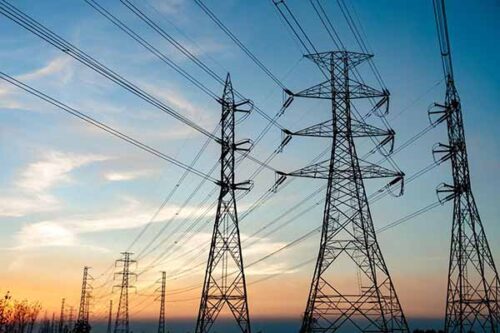
Advanced Grid Technologies Act strengthens oversight of utility investments
Sponsored in the Senate by Sen. Andrew Zwicker, the Advanced Grid Technologies Act (S4411/A5188) is designed to curb unnecessary infrastructure spending while encouraging utilities to deploy modern technologies that increase the capacity and efficiency of the existing electric grid.
The new law requires New Jersey Board of Public Utilities oversight of supplemental transmission projects that previously faced limited state review. It also establishes an expedited approval process for projects that incorporate advanced transmission technologies capable of improving grid performance without requiring as much new infrastructure.
Supporters say these technologies—including dynamic line ratings, advanced power flow controls, and other grid-enhancing technologies—can increase the amount of electricity existing transmission lines can carry, helping utilities meet growing demand while avoiding or delaying costly new transmission projects.
More information on the legislation is available through the New Jersey Legislature’s bill page for S4411/A5188 and the Governor’s July 7 energy announcement:
Data Center Fair Share Act shifts infrastructure costs to large users

Photo by Erik Mclean on Unsplash
The second major measure, the Data Center Fair Share Act (S731/A796), addresses the rapid growth of electricity-intensive data centers, particularly as artificial intelligence drives demand for new computing facilities.
The legislation requires electric utilities to establish special tariffs for qualifying large-load data centers to ensure the costs of serving those facilities are not shifted onto residential customers and small businesses. It also requires financial protections if projects fail to materialize as planned and creates incentives for operators that bring new energy resources online or provide operational flexibility that reduces strain on the grid.
Under the law, qualifying data centers may receive more flexible treatment if they commit to supplying additional energy capacity or reducing electricity demand during periods of peak grid stress.
The Natural Resources Defense Council (NRDC) called the legislation “trailblazing,” saying it establishes a framework that protects consumers while requiring data centers to support new clean energy resources and reduce or shift electricity use during periods of high demand. According to the organization, the approach provides a model for balancing economic growth with affordability, grid reliability, and the state’s clean energy goals.
More information is available through:
Together, the two laws reflect a broader shift in New Jersey’s approach to energy planning. Rather than relying solely on new infrastructure to meet rising electricity demand, the legislation encourages more efficient use of the existing grid while ensuring the largest new electricity consumers bear the costs associated with their growth.